
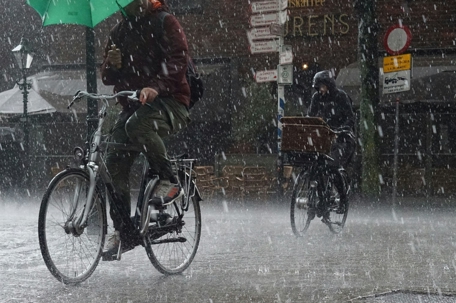
Weather may seem like an uncontrollable force, but in California, especially across Los Angeles and Southern California, adverse weather conditions contribute to thousands of serious car accidents every year. From sudden rainstorms and dense coastal fog to powerful Santa Ana winds and extreme heat, hazardous weather can transform ordinary roadways into high-risk environments within minutes.
If you or a loved one has been injured in a weather-related car accident, understanding liability, insurance challenges, and your legal rights is essential. At Arshakyan Law Firm, our experienced Los Angeles personal injury attorneys help accident victims navigate complex claims and pursue the compensation they deserve.
Why Weather-Related Accidents Are Increasing in Southern California
Although Southern California is known for its mild climate, drivers here are often unprepared for sudden weather changes. Unlike regions with frequent storms, many drivers fail to adjust their driving behavior when rain begins, fog reduces visibility, or high winds affect vehicle control.
Key contributing factors include:
- Long dry periods are causing oil buildup on roads
- Increased traffic congestion in Los Angeles
- High-speed freeway driving
- Inexperienced drivers in adverse conditions
Even light rain can create hazardous conditions, particularly during the first storm after months of dry weather.
Rain-Related Accidents: The Leading Weather Hazard
Rain is the most common weather condition contributing to car accidents in Los Angeles. When rain mixes with oil, dirt, and debris accumulated on roadways, it creates a slippery film that significantly reduces traction.
Why Rain Is Especially Dangerous in Southern California
Unlike regions where frequent rain washes away contaminants, Southern California’s long dry seasons allow oil and grime to build up. The first rainfall creates extremely slick roads, increasing the likelihood of hydroplaning and rear-end collisions.
Common Rain-Related Accidents
- Hydroplaning crashes on freeways
- Rear-end collisions due to longer stopping distances
- Intersection accidents caused by reduced braking ability
- Multi-vehicle pileups during sudden downpours
Case Study: First Rainstorm Freeway Collisions
During the first major rainstorm of the season, Los Angeles freeways often experience a surge in accidents. For example, a sudden storm on the 405 Freeway led to dozens of collisions within hours.
Key factors:
- Drivers maintained dry-weather speeds
- Worn tire treads reduced traction
- Following distances were insufficient
Legal insight: Drivers have a duty to adjust their speed and driving behavior to weather conditions. Failure to do so may constitute negligence under California law.
Hydroplaning: A Hidden Danger in Wet Conditions
Hydroplaning occurs when a layer of water builds between a vehicle’s tires and the road surface, causing loss of traction and control. This can happen at speeds as low as 35 mph.
Risk Factors for Hydroplaning
- Bald or underinflated tires
- Standing water on roads
- Excessive speed in wet conditions
Hydroplaning accidents often result in severe injuries because vehicles can spin uncontrollably across multiple lanes.
Fog-Related Accidents: When Visibility Disappears
Fog is one of the most dangerous weather conditions due to its impact on visibility and depth perception. Coastal areas, valleys, and inland regions near Los Angeles frequently experience dense fog that can reduce visibility to less than 100 feet.
How Fog Causes Accidents
- Drivers misjudge distance and speed
- Sudden stops lead to rear-end collisions
- Lane departures due to poor visibility
- Multi-vehicle pileups on highways
Case Study: Dense Fog Chain Reaction Crash
In a recent California highway incident, dense fog reduced visibility to less than 60 feet, resulting in a chain-reaction crash involving dozens of vehicles. Drivers reported being unable to see brake lights until it was too late.
Contributing factors:
- Excessive speed in low visibility
- Failure to use headlights
- Following too closely
Legal takeaway: Drivers must reduce speed and use headlights in fog. Weather does not excuse negligent behavior.
High Winds and Santa Ana Conditions
Santa Ana winds are a well-known hazard in Southern California. These strong, dry winds can exceed 60 mph, creating hazardous driving conditions, particularly for trucks, SUVs, and high-profile vehicles.
Wind-Related Accident Risks
- Vehicles pushed into adjacent lanes
- Debris blown onto roadways
- Increased rollover risk
- Difficulty steering at highway speeds
When debris contributes to an accident, liability may extend to municipalities, construction companies, or property owners responsible for maintaining safe conditions.
Flooded Roads and Flash Flood Accidents
Flash flooding can occur during intense storms, particularly in burn scar areas and low-lying roadways. Drivers who attempt to cross flooded streets risk losing control of their vehicles.
Dangers of Driving Through Flooded Roads
- Hydroplaning and loss of steering control
- Engine failure and sudden stalling
- Hidden road damage or sinkholes
Many flood-related accidents occur because drivers underestimate the depth or force of water.
Extreme Heat and Tire Blowouts
Southern California’s extreme heat can also contribute to car accidents. High temperatures increase the risk of tire blowouts, especially when tires are underinflated or worn.
Heat-Related Accident Factors
- Overheated tires leading to blowouts
- Road surface expansion and damage
- Increased risk of engine failure
Truck tire blowouts on freeways often cause catastrophic accidents involving multiple vehicles.
Determining Liability in Weather-Related Accidents
Many people assume that weather alone is responsible for accidents. However, under California law, drivers are required to operate their vehicles safely regardless of conditions.
Drivers Must Adjust to Weather Conditions
This includes:
- Reducing speed in rain or fog
- Increasing following distance
- Using headlights in low visibility
- Maintaining proper tire tread and brakes
If a driver fails to take reasonable precautions, they may be found negligent.
Comparative Negligence in California
California follows a pure comparative negligence system. This means accident victims can recover compensation even if they share some fault.
Example Scenario: A driver is traveling slightly above a safe speed during heavy rain, while another driver is tailgating. If the speeding driver is found 20% at fault and the tailgating driver 80% at fault, the injured driver can still recover 80% of damages.
Case Study: Multi-Vehicle Rain Collision
Scenario: A sudden downpour creates slick conditions on Interstate 5. One driver fails to slow down and rear-ends another vehicle, triggering a chain reaction involving multiple cars.
Investigation Findings
- Driver 1: speeding in rain → primary liability
- Driver 2: worn tires → partial fault
- Driver 3: driving safely → no fault
Outcome: Victims receive compensation based on each driver’s share of responsibility.
Injuries Common in Weather-Related Accidents
Weather-related accidents often involve high-speed impacts or multi-vehicle collisions, leading to severe injuries.
Common Injuries
- Whiplash and soft tissue injuries
- Traumatic brain injuries (TBI)
- Spinal cord injuries
- Broken bones and fractures
- Internal bleeding
Fog and rain crashes frequently result in serious injuries due to sudden stops and limited reaction time.
Challenges With Insurance Claims in Weather Accidents
Insurance companies often attempt to deny claims by blaming weather conditions rather than driver negligence. They may argue that the accident was unavoidable due to rain, fog, or wind.
Common Insurance Tactics
- Claiming the crash was an “act of nature.”
- Minimizing driver negligence
- Disputing injury severity
An experienced Los Angeles personal injury attorney can challenge these tactics and prove liability.
How Arshakyan Law Firm Builds Strong Weather Accident Cases
At Arshakyan Law Firm, we take a comprehensive approach to weather-related accident claims.
Our Legal Strategy
- Reviewing weather reports and traffic data
- Working with accident reconstruction experts
- Analyzing skid marks and vehicle damage
- Identifying negligent driving behavior
- Negotiating aggressively with insurers
Our goal is to ensure negligent parties are held accountable and clients receive maximum compensation.
Compensation Available After a Weather-Related Accident
Victims may be entitled to compensation for:
- Medical expenses and future care
- Lost wages and reduced earning capacity
- Pain and suffering
- Property damage
- Emotional distress
Severe accidents may also justify compensation for long-term disability and loss of quality of life.
Prevention Tips: Staying Safe in Adverse Weather
While legal support is critical after an accident, prevention remains the best protection.
Safety Tips for Southern California Drivers
- Slow down during rain or fog
- Increase the following distance
- Use headlights in low visibility
- Replace worn tires regularly
- Avoid driving through standing water
Being proactive can significantly reduce accident risk.
Why You Need a Los Angeles Weather Accident Lawyer
Weather-related accidents involve complex liability issues. Insurance companies often attempt to shift blame to weather conditions rather than negligent drivers.
An experienced Los Angeles car accident attorney can:
- Prove negligence despite adverse weather
- Establish liability among multiple parties
- Protect your rights against insurers
- Maximize financial recovery
Final Thoughts: Weather Is a Factor — Negligence Is the Cause
While weather conditions contribute to accidents, they rarely excuse unsafe driving. Drivers who fail to adjust to rain, fog, or other hazards endanger lives and may be held legally responsible.
If you or a loved one has been injured in a weather-related accident in Los Angeles or Southern California, you do not have to face the legal process alone. Call Arshakyan Law Firm at (818) 650-9985 for a free, confidential consultation. We are in your corner!