
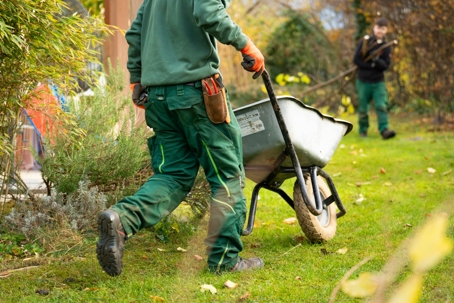
Landscaping is an essential part of property design across Los Angeles and Southern California. From luxury homes and apartment complexes to commercial properties and public spaces, well-maintained landscaping enhances curb appeal and property value. However, when landscaping is neglected, poorly designed, or improperly maintained, it can create dangerous conditions that lead to serious injuries.
Landscaping-related personal injury cases are a growing area within California personal injury law, particularly under premises liability. These cases often involve complex liability issues, multiple responsible parties, and aggressive insurance defenses.
Understanding your rights is critical if you or a loved one has been injured due to unsafe landscaping conditions.
At Arshakyan Law Firm, we represent victims throughout Los Angeles and Southern California, helping them recover compensation after accidents caused by negligence—including those involving landscaping hazards.
What Are Landscaping-Related Personal Injury Cases?
Landscaping-related personal injury cases arise when unsafe outdoor conditions cause harm due to negligence. These claims typically fall under premises liability, which requires property owners and those responsible for maintenance to ensure their property is reasonably safe.
These cases can occur in a wide range of environments, including:
- Residential properties
- Apartment complexes
- Shopping centers and retail spaces
- Office buildings
- Hotels and resorts
- Public sidewalks, parks, and city-owned areas
Because landscaping conditions constantly change due to weather, growth, and maintenance, hazards can develop quickly, making regular inspections essential.
Common Landscaping Hazards That Lead to Injury Claims
Landscaping hazards are often overlooked until an accident happens. Some of the most common causes of landscaping-related injuries include:
Uneven Walkways and Sidewalks
Tree roots, soil shifting, and poor construction can cause sidewalks to crack or lift, creating dangerous tripping hazards.
Falling Trees and Branches
Dead or poorly maintained trees can drop heavy branches without warning, leading to catastrophic injuries.
Slippery Surfaces from Irrigation
Overwatering, leaks, or poor drainage can create slick walkways, increasing the risk of slip-and-fall accidents.
Overgrown Landscaping
Bushes, hedges, and trees that block visibility can contribute to pedestrian and vehicle accidents.
Loose Gravel and Decorative Features
Unstable walking surfaces, such as gravel or decorative stones, can cause slips and falls.
Hazardous Landscaping Equipment
Improper use or storage of landscaping tools and machinery can injure both workers and bystanders.
Chemical Exposure
Pesticides and fertilizers can pose health risks when improperly applied or when residents are not properly notified.
Expanded Case Studies: Real Scenarios That Lead to Claims
Case Study 9: Apartment Complex Slip and Fall
A tenant slipped on algae buildup caused by a leaking sprinkler system that had not been repaired for months. Maintenance records showed repeated complaints. The property owner was found liable for failing to address a known hazard.
Case Study 10: Commercial Property Trip Hazard
A customer tripped over uneven pavers at the entrance of a retail center. Surveillance footage confirmed multiple prior incidents. The business owner settled the case due to clear negligence.
Case Study 11: Tree Maintenance Failure
A homeowner ignored warnings from an arborist about a diseased tree. During high winds, the tree fell onto a neighbor’s property, causing serious injuries. The homeowner was held responsible for failing to act on known risks.
Case Study 12: Landscaping Equipment Injury
A landscaping crew operating a leaf blower projected debris into a pedestrian’s eye, causing permanent vision damage. The employer was held liable for improper safety measures.
Case Study 13: Drainage Hazard in HOA Community
A homeowners' association failed to fix a drainage issue that caused water to pool on walkways. A resident slipped and sustained a spinal injury. The HOA faced significant liability for negligent maintenance.
Who Is Liable in Landscaping Injury Cases?
Liability in landscaping-related personal injury cases often involves multiple parties, including:
- Property owners
- Property management companies
- Homeowners associations (HOAs)
- Landscaping contractors
- Maintenance companies
- Government entities (for public property)
Determining liability requires a detailed investigation into who was responsible for maintaining the area and whether they acted reasonably.
How Negligence Is Proven
To succeed in a personal injury claim, you must prove:
- Duty of Care: The responsible party had an obligation to maintain safe conditions.
- Breach of Duty: They failed to meet that obligation.
- Causation: The hazard directly caused your injury.
- Damages: You suffered financial, physical, or emotional harm.
For example, if a property owner knew about a cracked sidewalk and failed to repair it, that could constitute a breach of duty.
Comparative Negligence in California
California follows a pure comparative negligence system, which means you can still recover compensation even if you were partially at fault.
For example:
- If you are found 20% responsible, your compensation is reduced by 20%.
- You can still recover damages even if you are 90% at fault.
Insurance companies often try to shift blame to reduce payouts, making legal representation essential.
Types of Injuries in Landscaping Accidents
Landscaping-related incidents can result in serious injuries, including:
- Traumatic brain injuries (TBI)
- Spinal cord injuries
- Broken bones
- Soft tissue injuries
- Lacerations and burns
- Eye injuries from debris or chemicals
These injuries can lead to long-term medical treatment, lost income, and reduced quality of life.
Evidence That Strengthens Your Claim
Strong evidence is critical in landscaping injury cases. Important evidence includes:
- Photos and videos of the hazard
- Incident reports
- Maintenance and inspection logs
- Witness statements
- Surveillance footage
- Expert evaluations
Because hazards are often repaired quickly after an accident, documenting the scene immediately is crucial.
The Role of Expert Witnesses
Expert testimony is often necessary to prove negligence in these cases. Experts may include:
- Arborists to evaluate tree conditions
- Engineers to assess structural issues
- Safety professionals to analyze hazards
- Medical experts to link injuries to the accident
These experts can significantly strengthen your case and increase your chances of recovery.
Government Claims and Strict Deadlines
If your injury occurred on public property, such as a sidewalk or park, you must file a claim within six months.
Government cases are more complex because:
- Special procedures must be followed
- Immunity defenses may apply
- Evidence requirements are stricter
Missing deadlines can result in losing your right to compensation.
Frequently Asked Questions (AEO Optimization)
Can I sue for a landscaping-related injury?
Yes. If your injury was caused by negligence, you may be entitled to compensation.
What if the hazard was obvious?
Even if a hazard is visible, you may still have a case if it was unreasonably dangerous.
Who is responsible for sidewalk injuries?
Liability depends on location. It may be the property owner, city, or both.
How much is my case worth?
It depends on factors such as injury severity, medical costs, lost income, and long-term impact.
How long do I have to file a claim?
In California, the statute of limitations is typically two years, but shorter deadlines apply for government claims.
Compensation Available in Landscaping Injury Cases
Victims may recover compensation for:
- Medical expenses (past and future)
- Lost wages
- Loss of earning capacity
- Pain and suffering
- Emotional distress
- Rehabilitation costs
In severe cases, damages may also include compensation for permanent disability.
Insurance Company Tactics to Be Aware Of
Insurance companies often attempt to reduce or deny claims by arguing:
- The hazard was temporary
- The victim was careless
- The injury is not serious
- The condition was unavoidable
An experienced attorney can challenge these tactics and protect your rights.
Prevention: Responsibilities of Property Owners
Property owners can reduce liability by:
- Conducting regular inspections
- Maintaining landscaping properly
- Fixing hazards promptly
- Hiring licensed professionals
- Keeping detailed maintenance records
Failure to take these steps can significantly increase legal exposure.
Why These Cases Are Common in Southern California
In Los Angeles and the surrounding areas, landscaping is a major feature of property design. Factors that increase risk include:
- High foot traffic
- Extensive irrigation systems
- Year-round outdoor activity
- Aging infrastructure
- Drought-related landscaping changes
These conditions make proper maintenance critical to preventing injuries.
Why You Need an Experienced Personal Injury Attorney
Landscaping-related cases are often complex and require:
- Thorough investigation
- Expert analysis
- Negotiation with insurance companies
- Litigation if necessary
At Arshakyan Law Firm, we handle every aspect of your case, allowing you to focus on recovery while we fight for maximum compensation.
Final Thoughts
Landscaping-related personal injury cases are more common than many people realize. What may seem like a minor hazard, such as a cracked sidewalk or overgrown hedge, can lead to serious, life-altering injuries.
If you or a loved one has been injured due to unsafe landscaping conditions, it is important to act quickly, understand your rights, and seek experienced legal guidance.
At Arshakyan Law Firm, we are committed to protecting our clients and delivering results. Call us today at (818) 650-9985 for a free, confidential consultation. We are in your corner!