
A Complete Guide for California Truck Accident Victims
Truck accidents are among the most devastating collisions on California roads. Because commercial trucks can weigh up to 80,000 pounds, crashes involving semi-trucks, tractor-trailers, delivery trucks, and other large commercial vehicles often result in catastrophic injuries, permanent disabilities, and even fatalities. Victims are frequently left facing mounting medical bills, lost income, emotional trauma, and an uncertain future.
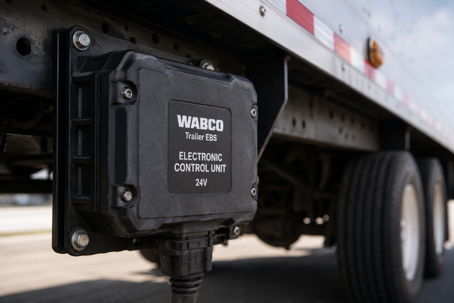
Unlike a typical car accident, a truck accident involves far more than eyewitness testimony and police reports. Commercial trucks are equipped with sophisticated electronic systems that record valuable information before, during, and after a collision. This information, commonly referred to as black box data, can become one of the strongest pieces of evidence in a personal injury claim.
At Arshakyan Law Firm, we understand how critical electronic evidence can be when proving negligence and holding trucking companies accountable. Our legal team works quickly to preserve black box data before it is lost, deleted, or overwritten, helping clients pursue the maximum compensation they deserve.
What Is a Truck Black Box?
Many people associate black boxes with airplanes, but commercial trucks also contain electronic recording devices. These devices are commonly known as an Event Data Recorder (EDR), Engine Control Module (ECM), or Electronic Control Module. In addition, most commercial trucks now use Electronic Logging Devices (ELDs) that track driver activity and compliance with federal safety regulations.
These electronic systems continuously record operational data that helps investigators understand exactly what occurred before a collision.
Depending on the truck's manufacturer and model, black box data may include:
- Vehicle speed
- Brake application
- Accelerator position
- Engine RPM
- Steering inputs
- Cruise control usage
- Seatbelt status
- Airbag deployment
- GPS location
- Hours driven
- Driver rest periods
- Sudden acceleration or deceleration
- Engine fault codes
- Date and time of the collision
Because this information is generated electronically, it provides objective evidence that is often far more reliable than conflicting witness statements.
Why Black Box Data Matters
After a serious truck accident, the trucking company and its insurance carrier immediately begin protecting their interests. Their investigators often arrive at the accident scene within hours to collect evidence that supports their defense.
Victims, however, usually have no idea that valuable electronic evidence may disappear if action is not taken quickly.
Black box data can answer critical questions, including:
- Was the truck speeding?
- Did the driver apply the brakes?
- Was the driver distracted?
- Did the truck experience mechanical failure?
- Was the driver violating federal hours-of-service regulations?
- Was cruise control engaged?
- Did the driver attempt to avoid the crash?
These answers can significantly strengthen a personal injury claim.
Speeding Can Be Proven
Excessive speed remains one of the leading causes of commercial truck accidents.
A truck traveling just 10 or 15 miles per hour above the speed limit requires significantly more distance to stop than a passenger vehicle. The black box records the truck's speed during the moments leading up to impact. Imagine a trucking company claims its driver was traveling at the posted speed limit of 55 mph. The black box, however, reveals the truck was actually traveling 72 mph just seconds before the collision.
That single piece of evidence can dramatically change the outcome of the case.
Brake Application Reveals Driver Reaction
Another valuable piece of information is brake application.
The electronic system records exactly when the brakes were applied and how much braking force was used.
If the truck driver claims they attempted to stop immediately, but the data shows no braking occurred until one-half second before impact, it raises serious questions about distraction, fatigue, or negligence.
Likewise, if there was no braking whatsoever, investigators may conclude that the driver never saw the stopped traffic ahead.
Driver Fatigue Is Easier to Prove
Federal Motor Carrier Safety Administration (FMCSA) regulations limit the number of hours commercial truck drivers may operate without mandatory rest breaks.
Unfortunately, some drivers exceed these limits to meet delivery deadlines.
Electronic Logging Devices record:
- Driving hours
- Breaks
- On-duty time
- Off-duty time
- Mileage
- Vehicle movement
If the records show the driver exceeded legal driving limits, this evidence can support claims that fatigue contributed to the accident.
Fatigue slows reaction times, impairs judgment, and increases the risk of catastrophic collisions.
Mechanical Failures May Not Be Accidental
Some trucking companies attempt to blame mechanical failures for collisions.
However, black box data may reveal that warning lights, brake problems, or engine faults were present long before the accident occurred.
If maintenance records show the company ignored known safety issues, liability may extend beyond the truck driver to the trucking company itself.
For example, if brake warning codes appeared repeatedly for weeks before the collision, yet repairs were never performed, the company may be held responsible for negligent maintenance.
Case Study: Rear-End Collision
Consider a fictional example.
A family is stopped in heavy traffic on Interstate 5 when a fully loaded tractor-trailer crashes into the rear of their vehicle.
The truck driver insists traffic stopped suddenly and there was nothing he could do.
However, investigators obtain the truck's black box data, which reveals:
- The truck was traveling 71 mph in a 55 mph zone.
- Cruise control remained engaged until one second before impact.
- The brakes were applied only half a second before the collision.
- The driver had exceeded the maximum allowable driving hours under federal regulations.
This evidence completely changes the case.
Instead of an unavoidable accident, the data demonstrates excessive speed, delayed reaction, and driver fatigue.
The victims are ultimately able to recover compensation for medical expenses, lost income, pain and suffering, and future care.
Case Study: Distracted Truck Driver
In another example, a truck driver claims that a passenger vehicle suddenly swerved into his lane, leaving him with no time to react. Initially, it appears to be a classic "he said, she said" situation.
However, after downloading the truck's black box data, investigators discover a different story. The electronic records show:
- The truck maintained a constant speed of 68 mph.
- There was no steering correction.
- No brake pedal was applied before impact.
- The accelerator remained depressed until the collision.
Further investigation reveals the driver's cellphone records indicate he was sending text messages moments before the crash.
The combination of black box data and cellphone evidence proves distracted driving and significantly strengthens the injured victim's claim.
Black Box Data Is Only Part of the Investigation
Although black box information is incredibly valuable, experienced truck accident attorneys understand that it should be combined with other evidence to build the strongest possible case.
Additional evidence may include:
- Police accident reports
- Witness statements
- Dashcam footage
- Traffic camera videos
- Surveillance footage from nearby businesses
- Driver qualification files
- Vehicle inspection reports
- Maintenance and repair records
- Drug and alcohol testing results
- GPS tracking records
- Electronic logging device (ELD) reports
- Cell phone records
- Cargo loading documentation
- Expert accident reconstruction analysis
- Medical records documenting the victim's injuries
When all of this evidence is analyzed together, it creates a comprehensive picture of how the collision occurred and who should be held legally responsible.
Black Box Data Can Disappear Quickly
One of the biggest mistakes accident victims make is waiting too long to hire an attorney.
Many commercial truck electronic systems automatically overwrite stored data after a certain amount of driving time. In some cases, the truck may be repaired, returned to service, or sold before the information is preserved. Once critical electronic evidence is lost, it may be impossible to recover.
For that reason, time is one of the most important factors in a truck accident claim.
How Attorneys Preserve Critical Evidence
Experienced truck accident lawyers act immediately after being hired.
One of the first legal steps is sending a spoliation letter, sometimes called a preservation letter.
This formal legal notice requires the trucking company to preserve important evidence, including:
- Black box data
- Electronic logging device records
- GPS information
- Dash camera footage
- Driver logs
- Maintenance records
- Inspection reports
- Driver qualification files
- Dispatch communications
- Cell phone records
If a trucking company destroys evidence after receiving a preservation notice, the court may impose sanctions or allow a jury to draw negative conclusions from the missing evidence.
Multiple Parties May Be Responsible
Unlike most passenger vehicle accidents, truck accident cases often involve several potentially liable parties.
Depending on the circumstances, responsibility may extend to:
- The truck driver
- The trucking company
- The truck owner
- The maintenance contractor
- The cargo loading company
- The shipping company
- The truck manufacturer
- A manufacturer of defective truck parts
Identifying every responsible party is essential because each may carry separate insurance policies that can increase the compensation available to the injured victim.
Compensation Available After a Truck Accident
Victims of commercial truck accidents may be entitled to recover compensation for both economic and non-economic damages.
These may include:
- Emergency medical treatment
- Hospitalization
- Surgery
- Physical therapy
- Rehabilitation
- Prescription medications
- Future medical expenses
- Lost wages
- Loss of future earning capacity
- Property damage
- Pain and suffering
- Emotional distress
- Permanent disability
- Loss of enjoyment of life
- Wrongful death damages for surviving family members
In cases involving reckless conduct, such as knowingly violating federal safety regulations or intentionally ignoring maintenance issues, punitive damages may also be available.
What to Do After a Truck Accident
The actions you take immediately after a truck accident can have a significant impact on your legal claim.
If possible, you should:
- Call 911 and report the accident.
- Seek immediate medical attention, even if you believe your injuries are minor.
- Take photographs of the accident scene, vehicle damage, skid marks, road conditions, and visible injuries.
- Collect contact information from witnesses.
- Avoid discussing fault with anyone at the scene.
- Do not provide a recorded statement to the trucking company's insurance company before speaking with an attorney.
- Preserve all medical records, bills, and receipts.
- Contact an experienced California truck accident attorney as soon as possible.
Prompt legal action greatly increases the chances of preserving valuable electronic evidence before it disappears.
Why Experience Matters
Truck accident litigation is far more complex than an ordinary car accident claim.
These cases often involve:
- Federal Motor Carrier Safety Administration (FMCSA) regulations
- State and federal transportation laws
- Electronic data analysis
- Accident reconstruction experts
- Multiple insurance carriers
- Corporate defense attorneys
An attorney who understands the trucking industry knows how to uncover evidence that insurance companies hope victims never discover.
How Arshakyan Law Firm Can Help
At Arshakyan Law Firm, we understand that trucking companies often begin building their defense within hours of a serious accident. That is why our legal team moves quickly to investigate the collision, preserve critical evidence, and protect our clients' rights from the very beginning.
Our attorneys work diligently to:
- Conduct thorough accident investigations
- Obtain and preserve black box data
- Analyze electronic logging device records
- Review maintenance and inspection records
- Work with accident reconstruction experts
- Identify every liable party
- Calculate the full value of current and future damages● Negotiate aggressively with insurance companies
- Take cases to trial when necessary to pursue maximum compensation
We believe that every injured victim deserves experienced legal representation and compassionate guidance during one of the most difficult times in their life.
Contact Arshakyan Law Firm Today
If you or someone you love has been injured in a commercial truck accident in California, do not wait to seek legal advice. Black box data and other crucial evidence can disappear quickly, making immediate action essential.
The sooner an experienced truck accident attorney begins investigating your case, the greater the opportunity to preserve critical evidence, establish liability, and pursue the compensation you deserve.
At Arshakyan Law Firm, we are committed to fighting for accident victims and holding negligent trucking companies accountable. Whether your case involves a distracted driver, speeding, driver fatigue, improper maintenance, overloaded cargo, or another act of negligence, our legal team has the knowledge, resources, and determination to advocate for your rights every step of the way.
Contact Arshakyan Law Firm today for a free consultation and let us help you build a strong truck accident claim backed by the evidence that matters most.
We are in your corner!